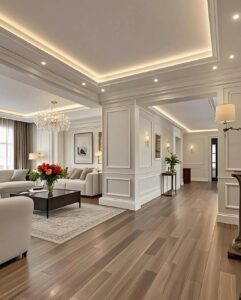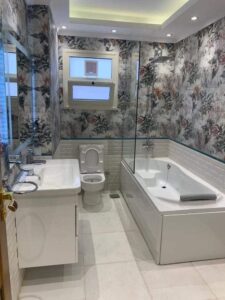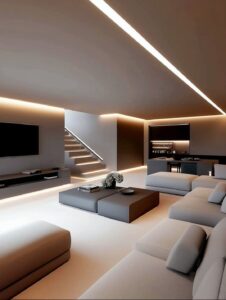
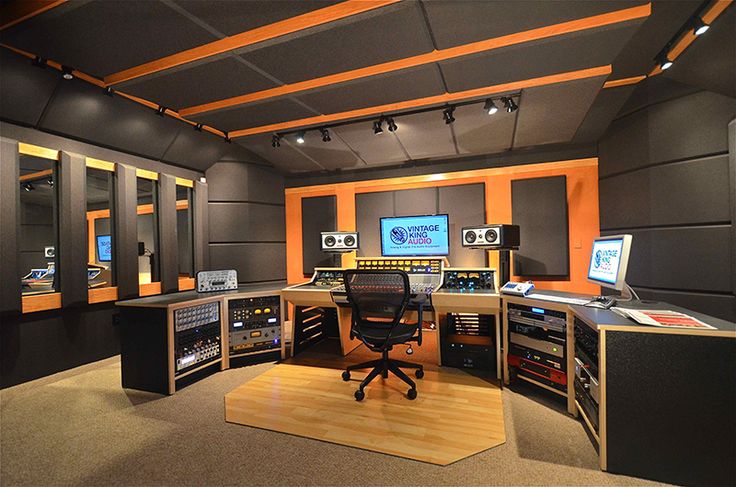
In today’s fast-paced world, space is becoming an increasingly scarce resource, and the demand for flexible, multifunctional environments is on the rise. Whether you’re designing a compact apartment, a creative studio, or an open-plan office, implementing the right studio design can be the key to creating a functional and aesthetically pleasing space. But how do you go about achieving the perfect studio design in your project? What are the essential steps, and what pitfalls should you avoid?
If you’re facing the challenge of transforming your space into a modern studio design, you’re in the right place. At Fairbuild, we understand the intricacies involved in creating a harmonious, functional, and visually appealing studio. Our experts can help you turn your ideas into reality—feel free to reach out at +97150 844 4013 for personalized guidance and professional support.
What is Studio Design?
Studio design refers to a minimalist and flexible design concept focused on creating open, multifunctional spaces. It’s all about breaking down the barriers that typically divide rooms and using innovative design techniques to maximize the potential of a given area. Historically, studio designs have evolved from simple, compact living solutions to highly versatile spaces that blend functionality with modern aesthetics.
The hallmark of studio design is its ability to adapt to different purposes. Whether it’s a living room that doubles as a work-from-home space or an office that can also serve as a meeting area, the layout is key. Studio designs are often characterized by open floor plans, minimal partitioning, and multifunctional furniture. When implemented properly, studio designs make the most of small spaces without sacrificing comfort, convenience, or style.
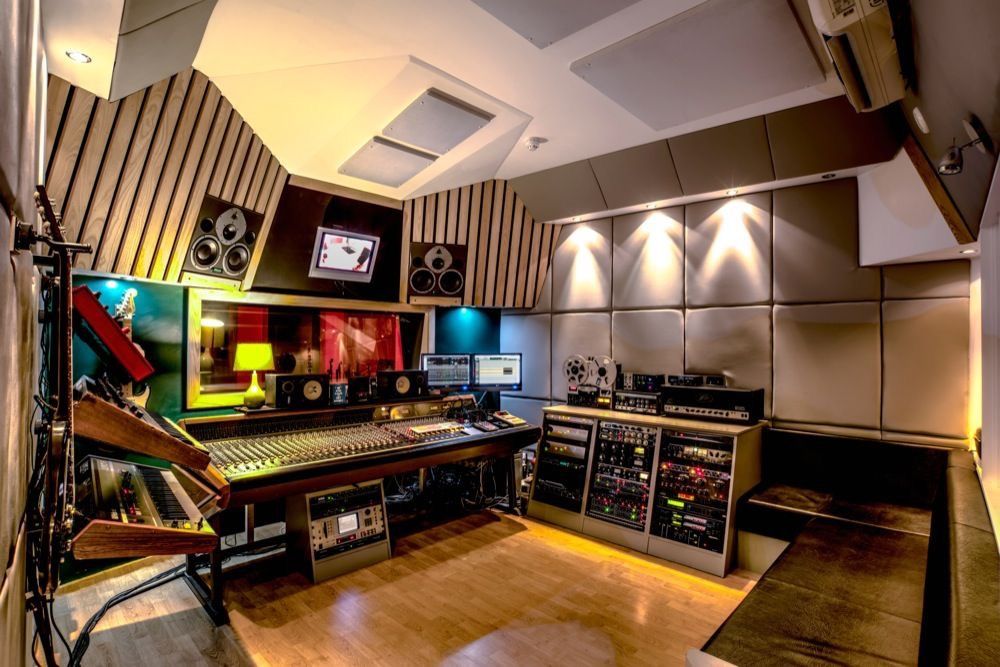
Why Studio Design is Essential for Your Project
Studio design is much more than just an architectural trend; it’s a necessity in today’s world where space comes at a premium. For small homes, apartments, or offices, studio design provides the perfect solution to the challenge of limited space. By eliminating walls and maximizing open areas, it allows every square inch to be used efficiently. This layout maximizes natural light, encourages a sense of openness, and fosters an atmosphere of freedom.
One of the biggest advantages of studio design is flexibility. The open space can easily be reconfigured as needs evolve. This adaptability is ideal for urban living, where people often move between different spaces or use the same space for multiple purposes. Additionally, the minimalist nature of studio design enhances visual appeal, creating a stylish yet practical environment that aligns with modern tastes. As a result, studio design becomes a smart choice for homeowners, business owners, and interior designers alike.
Moreover, the cost-effectiveness of studio design cannot be overlooked. Fewer walls, less complex structural changes, and a focus on multifunctional furniture can all reduce both construction and long-term maintenance costs. The emphasis on simplicity and functionality ensures that the design is not only aesthetically pleasing but also economical.
Steps to Successfully Implement Studio Design in Your Project
Step 1: Assess the Space
Before diving into the design process, it’s crucial to assess the space you’re working with. Start by measuring the space and understanding its current limitations. Are there load-bearing walls that cannot be moved? Where are the plumbing and electrical lines located? These factors will influence your design choices and help you determine what’s possible.
It’s also important to define the primary function of the space. Is it a living area that needs to accommodate both relaxation and work? Or perhaps it’s an office that needs to be highly flexible for collaborative tasks? Once you understand the space and its intended use, you can begin planning a layout that maximizes its potential.
Step 2: Define Your Goals and Needs
Every design project has its own unique requirements, and the key to a successful studio design is aligning the space with your specific goals. Are you looking to create an open-plan environment that encourages collaboration, or do you need distinct zones for different activities? Understanding your goals is essential in choosing the right design elements that will provide both function and style.
Take into consideration the people who will be using the space and their daily routines. For instance, a studio apartment designed for a single professional will likely have different needs than a shared studio designed for a family or a co-working space. Defining your goals early in the process will help ensure that the final result is perfectly suited to your needs.
Step 3: Choose the Right Layout and Design Elements
The layout is the backbone of any studio design, and choosing the right one is essential for maximizing space while maintaining comfort. Open-plan layouts are at the heart of studio design, but this doesn’t mean the entire space should be one big room. Use movable partitions, sliding walls, or curtains to define different areas without sacrificing the flow of the space. These elements can also help provide a sense of privacy in areas that need it, such as bedrooms or office zones.
Another critical aspect of studio design is the integration of multifunctional furniture. Think of items that serve more than one purpose—like a sofa that turns into a bed or a coffee table with built-in storage. Modular furniture pieces are another great choice, allowing the space to be reconfigured as needs change. Pay attention to lighting, too. Natural light is a key element in making small spaces feel larger, so maximize window placements and consider using glass doors or transparent partitions where possible.
Smart tech integration is another important consideration. As studios often serve multiple functions, technology can play a significant role in enhancing functionality. From smart thermostats to lighting systems that adapt to the time of day, incorporating technology can streamline daily routines and add convenience to the space.
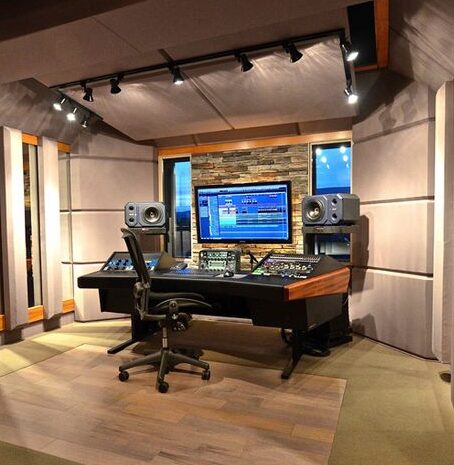
Step 4: Focus on Storage and Organization
In a studio, clutter can quickly become an issue, so focusing on clever storage solutions is essential. The key is to use every inch of available space without overwhelming the design. Consider built-in storage options like shelving units or cabinets that blend seamlessly into the walls. Wall-mounted shelves, hooks, and storage racks are also great for saving floor space.
Don’t forget about hidden storage solutions. Furniture with hidden compartments—such as beds with drawers or storage ottomans—are perfect for keeping items out of sight while still easily accessible. A well-organized studio can feel much larger and more comfortable, so take time to think about how you can keep the space tidy and efficient.
Step 5: Select Materials and Finishes
The materials and finishes you choose for your studio design can significantly impact the overall look and feel of the space. Opt for materials that are not only durable but also contribute to the light and airy vibe typical of studio designs. Hardwood floors, polished concrete, or large-format tiles are all excellent choices for flooring. These materials are easy to maintain, and their neutral tones can make a small space feel expansive.
When selecting wall finishes, consider using light colors or reflective surfaces that bounce light around the room. You can also incorporate accent walls to add warmth and texture without overwhelming the space. If you choose to use partitions or dividers, materials like glass or light wood will keep the space feeling open and welcoming.
Textures also play an important role in creating a balanced design. Mixing different textures—such as smooth walls with soft fabrics or sleek furniture with natural wood finishes—can add depth and interest to the space without complicating the design.
Step 6: Plan for Future Flexibility
Studio designs are all about flexibility, so it’s important to create a space that can evolve over time. Think about how the needs of the space might change and plan accordingly. For example, can your furniture be rearranged to suit a different layout? Can you easily add more storage or rezone the space without major changes?
Modular furniture and movable partitions are perfect for maintaining flexibility in the space. The goal is to design a studio that can adapt to future needs, whether that means transforming an office into a guest room or creating more seating when hosting gatherings.
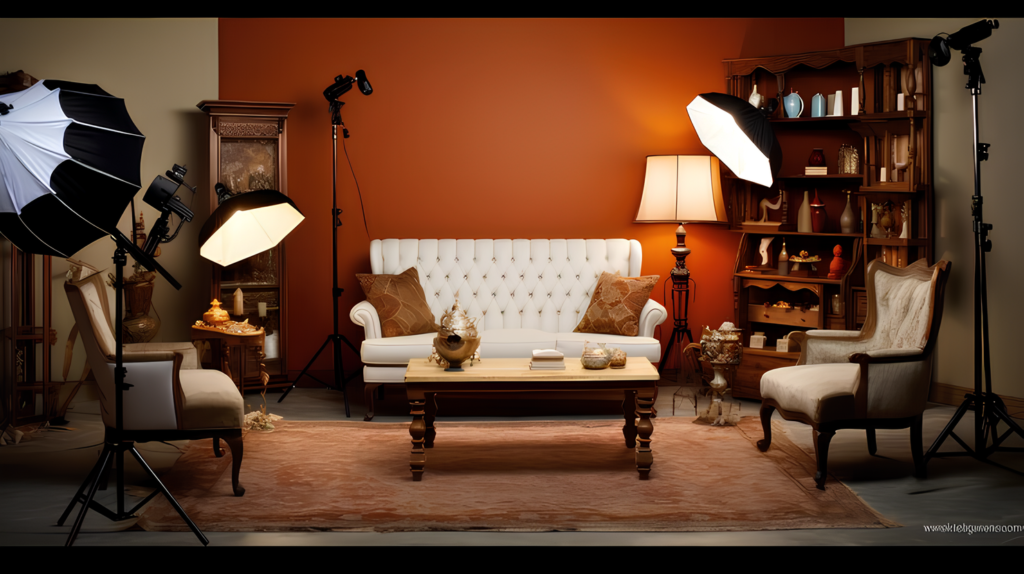
Overcoming Common Challenges in Studio Design Implementation
While studio design offers many advantages, it does come with its own set of challenges. One of the most common issues is the lack of storage space, which can make the room feel cluttered. To overcome this, focus on incorporating creative storage solutions like built-in units or hidden compartments.
Privacy can also be a concern in open-plan spaces, especially for shared studios or multi-use rooms. Using curtains, screens, or movable partitions can help provide privacy when needed. Additionally, zoning the space using different textures, colors, or furniture arrangements can help separate different areas without closing off the flow of the space.
Lastly, many people worry about the potential for the space to feel chaotic or unorganized. A well-planned design with a focus on organization, clean lines, and thoughtful furniture placement can alleviate this problem, creating a space that feels calm, cohesive, and purposeful.
Case Studies and Examples of Successful Studio Design Implementations
Across the world, successful studio designs can be seen in a variety of contexts. From small city apartments to large open-plan office spaces, the versatility of studio design has proven to be highly effective. One notable example is the transformation of a traditional one-bedroom apartment into a dynamic studio space that seamlessly accommodates living, working, and entertainment. With strategic zoning and clever storage solutions, the space maximized every square foot while maintaining a clean, modern aesthetic.
In corporate environments, studios have been reimagined to foster collaboration. In these open-plan office designs, the use of modular furniture and partitioning systems allows for a fluid workspace that adapts to different work styles, from team brainstorming sessions to private focused work. These examples showcase how studio design principles can be successfully applied in various settings.
Conclusion
Implementing studio design in your project can be a transformative process. By focusing on open layouts, multifunctional furniture, and efficient use of space, you can create a highly functional and visually appealing environment. Whether it’s a home, office, or creative studio, the principles of studio design are adaptable to nearly any setting.
At Fairbuild, we’re here to help you bring your studio design vision to life. Contact us at +97150 844 4013 for expert advice and consultation.Ready to transform your space with studio design? Let our expert team at Fairbuild guide you through the process. Contact us today at +97150 844 4013 to schedule a consultation and begin your project with confidence!
FAQ
What is the best layout for a studio apartment?
The best layout depends on your lifestyle, but an open-plan layout with multifunctional furniture is a great start. Consider using movable partitions or zoning techniques to create separate areas for sleeping, eating, and working without compromising the flow of the space.
How can I make a small studio feel larger?
Use light colors, large mirrors, and minimalist furniture to open up the space. Keep furniture to a minimum, and use multi-purpose pieces that can be easily reconfigured as needed.
What are some budget-friendly studio design ideas?
Focus on reusing and repurposing existing furniture. Look for modular, multi-purpose furniture that doesn’t take up unnecessary space. Opt for simple, neutral finishes that won’t break the bank but still provide an elegant look.
How can I create privacy in an open studio space?
While studio designs are often open-plan, privacy can still be achieved through thoughtful design choices. Use movable partitions, curtains, or sliding doors to create flexible boundaries when needed. Additionally, you can create visual privacy by using furniture to divide the space, such as placing a bookshelf or a tall plant to act as a divider between living and work areas.
What is the ideal color scheme for a studio design?
In a studio design, light and neutral colors like whites, grays, or soft pastels are ideal for making the space feel larger and more airy. Accents of bolder colors can be added through decor, textiles, or artwork to inject personality into the space without overwhelming it. It’s also a good idea to use consistent tones throughout the space for a cohesive look.
Can I incorporate traditional design elements into a studio design?
Absolutely! Studio design is flexible and can easily accommodate traditional design elements. You can blend classic furniture pieces with modern, minimalist elements to create a balanced, unique space. For example, incorporating vintage chairs, patterned rugs, or antique lighting can add charm and warmth to a contemporary open-plan layout.