
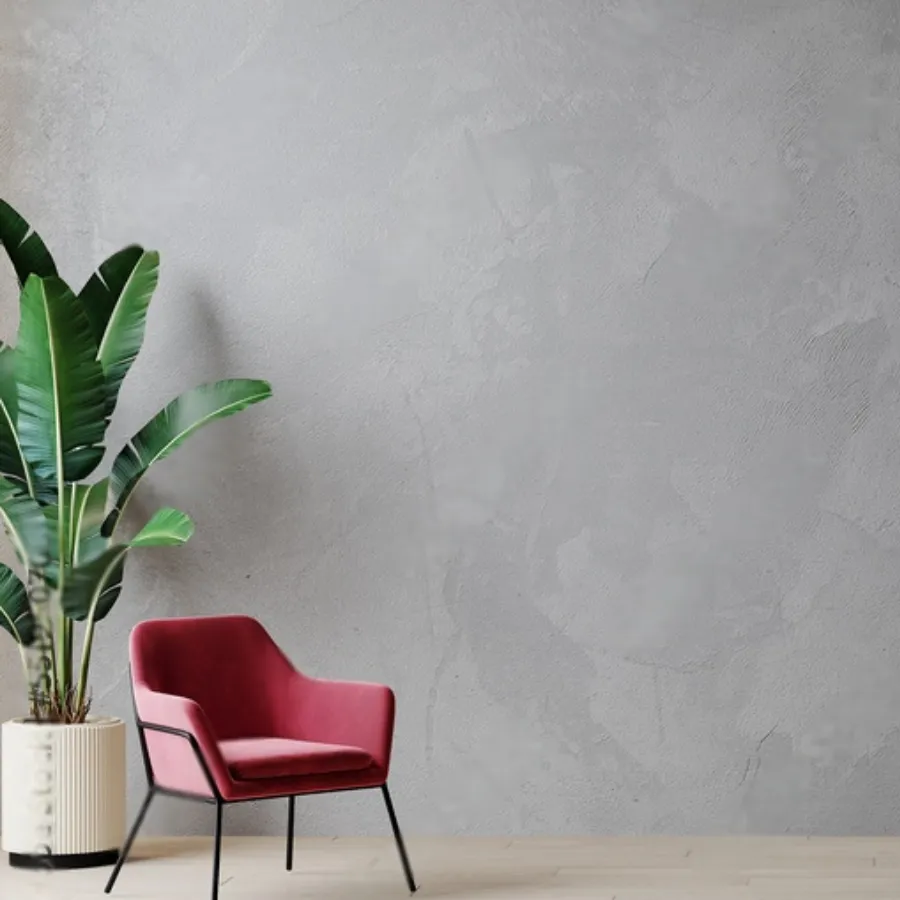
If you would like personalized advice for your project, Fairbuild is ready to guide you through every step, from evaluation to professional installation. A thoughtful consultation can help ensure that the surface you choose today continues to serve you beautifully for years to come. Every renovation begins with excitement. You imagine smooth finishes, elegant textures, and a space that feels fresh and refined. But very quickly, that excitement turns into confusion. Tiles seem practical but repetitive. Polished concrete looks modern but feels heavy and industrial. And then there is micro cement — a material many have heard about but few fully understand. The problem is not a lack of options. The problem is choosing the right solution that will still feel right five or ten years from now. If you are currently facing this decision and want clear, professional guidance, you can speak directly with Fairbuild at +97150 844 4013. The key is understanding not just how each material looks, but how it performs, ages, and supports your lifestyle over time.
The Real-Life Issues with Tiles in Modern Homes
Tiles have long been considered a safe and reliable choice. They are everywhere — in kitchens, bathrooms, hallways, and commercial spaces. However, homeowners often underestimate the long-term reality of living with tiled surfaces. Grout lines gradually darken and require scrubbing. In humid environments, mold can develop within those joints. Even the smallest crack in grout can allow moisture to penetrate beneath the surface, leading to repairs that feel disproportionate to the original issue. In high-traffic areas, tiles can loosen over time, producing hollow sounds beneath your feet. While tiles offer decorative variety, they visually divide a space into segments, which can interrupt the flow in modern open-plan designs. What once felt classic may eventually feel dated or visually busy.
The Structural Strength but Emotional Coldness of Polished Concrete
Polished concrete is admired for its durability and clean lines. It communicates strength and minimalism. In commercial buildings and industrial-style homes, it creates a bold statement. However, homeowners sometimes discover that the reality differs from the showroom impression. Polished concrete can feel cold both visually and physically. It reflects sound, which may increase echo in living spaces. Although structurally strong, natural cracking is common as buildings settle, and while some see cracks as character, others see them as flaws. Moreover, polished concrete requires an existing structural slab, making it less flexible for renovations where the base surface may not be suitable. The installation process can also be intensive, involving grinding, polishing, and sealing stages that require precision and time.
Micro Cement: A Flexible and Contemporary Alternative
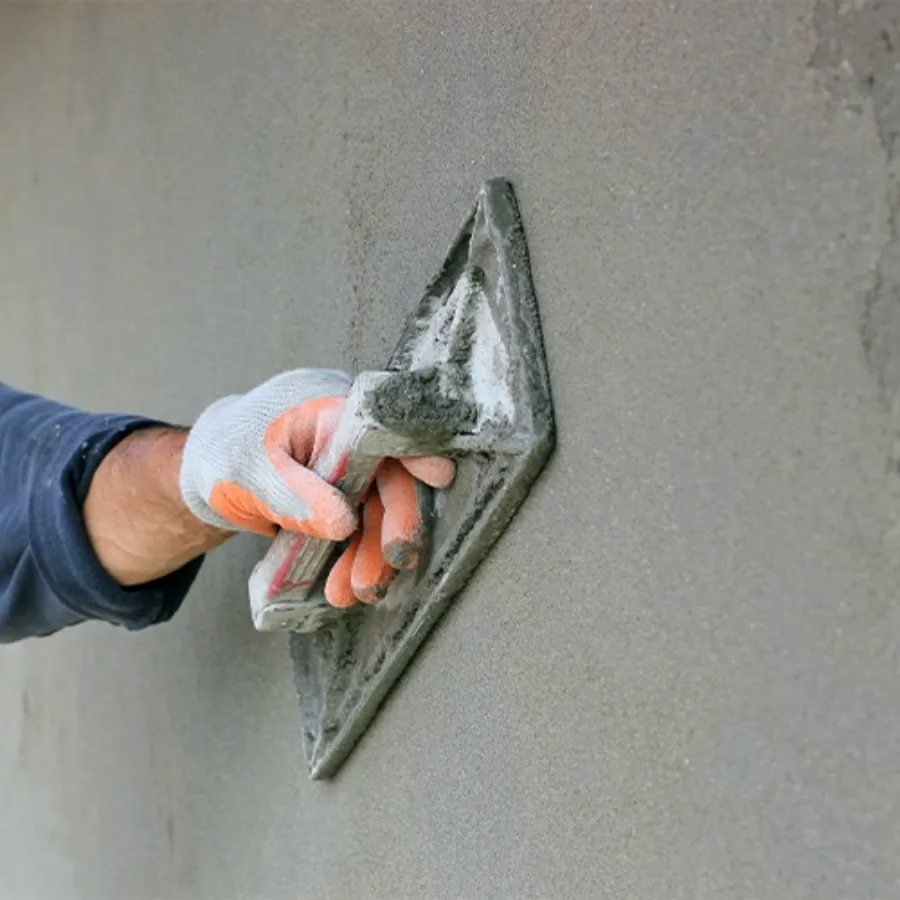
Micro cement enters this conversation as a response to these frustrations. It was developed to offer the visual appeal of concrete without the structural limitations. Applied in thin layers over existing substrates, micro cement eliminates the need for demolition in many renovation projects. This reduces noise, dust, labor time, and additional costs. Its seamless finish transforms entire rooms into cohesive, flowing spaces. Walls can blend into floors, and bathrooms can become continuous architectural environments rather than segmented surfaces. The material’s polymer enhancement provides flexibility, helping it resist cracking caused by minor structural movement. This combination of adaptability and aesthetic refinement is what makes micro cement increasingly attractive to architects and homeowners alike.
Design Freedom and Architectural Continuity
One of the most significant advantages of micro cement is the freedom it gives designers. Tiles come in predefined shapes and sizes, creating natural interruptions through grout lines. Polished concrete offers limited color and texture variation. Micro cement, however, can be tinted, textured, and finished to achieve subtle matte finishes or smoother contemporary surfaces. It works beautifully in modern villas, luxury apartments, retail boutiques, and hospitality environments. Because it can be applied on vertical and horizontal surfaces, it allows for design continuity that feels intentional and immersive. This continuity is particularly valued in minimalist and contemporary interior design, where simplicity and visual calm are priorities.
Performance in Wet Areas and Humid Climates
Bathrooms and kitchens often present the biggest challenges in surface selection. Moisture exposure, cleaning products, and daily wear demand materials that perform consistently. Tiles resist water, but grout joints remain vulnerable. Polished concrete requires proper sealing to prevent staining and moisture penetration. Micro cement, when professionally sealed, creates a waterproof membrane-like finish. This makes it particularly suitable for walk-in showers, wet rooms, and modern bathrooms where a seamless aesthetic is desired. In humid climates, eliminating grout lines significantly reduces mold risks and simplifies cleaning routines, making daily maintenance less demanding.
Longevity and Realistic Expectations
No material is indestructible. What matters is how it behaves over time. Tiles may crack individually, requiring selective replacement that can be visually inconsistent. Polished concrete may develop natural fissures as part of its character. Micro cement, when installed by trained professionals and maintained correctly, maintains its finish for many years. Its durability depends heavily on preparation, layering technique, and sealing quality. This is why expertise matters. A properly installed micro cement surface becomes a long-term investment rather than a short-lived trend. It ages gracefully and can even be refreshed with resealing, extending its lifespan without major reconstruction.

Comfort, Atmosphere, and Lifestyle Impact
Beyond technical performance, surfaces influence how a space feels emotionally. Tiles can create visual fragmentation. Polished concrete can feel austere. Micro cement often strikes a balance between modern sophistication and warmth. Its soft tonal variations and continuous finish create a calming atmosphere. In open-plan homes, it enhances spatial flow. In commercial spaces, it communicates refinement and intentional design. The way a surface interacts with natural light also matters. Micro cement absorbs and diffuses light more softly than glossy tiles, contributing to a more relaxed and inviting environment.
Financial Perspective: Investment Versus Value
When evaluating cost, it is important to look beyond the price per square meter. Tiles may appear more affordable initially, but demolition, grout maintenance, and future repairs can increase long-term expenses. Polished concrete installation can be costly due to machinery and labor requirements. Micro cement typically falls into a medium-to-high price category, but it often reduces renovation disruption and demolition costs. Additionally, the aesthetic upgrade it provides can enhance property value and appeal. In high-end residential markets, seamless finishes are increasingly associated with premium design, making micro cement a strategic investment rather than a decorative upgrade.
Situations Where Alternatives Still Make Sense
There are circumstances where tiles or polished concrete remain practical solutions. Budget-focused developments or rental properties may prioritize affordability over design continuity. Heavy industrial facilities may require the structural strength of polished concrete. The key is matching the material to the purpose of the space. Micro cement excels in residential renovations, boutique commercial spaces, hospitality projects, and contemporary architectural environments where visual continuity and modern elegance are central goals.
Final Perspective
The question is not whether micro cement is universally better than tiles or polished concrete. The real question is which material aligns with your design vision, lifestyle, and long-term expectations. If you are seeking a seamless, modern, and low-maintenance finish that adapts to existing structures and enhances architectural flow, micro cement presents a compelling solution. It addresses many of the practical frustrations associated with traditional materials while offering contemporary sophistication.
If you would like personalized advice for your project, Fairbuild is ready to guide you through every step, from evaluation to professional installation. A thoughtful consultation can help ensure that the surface you choose today continues to serve you beautifully for years to come.
Frequently Asked Questions
Is micro cement suitable for bathrooms and wet areas?
Yes, micro cement is highly suitable for bathrooms, showers, and wet rooms when it is professionally installed and properly sealed. The seamless surface eliminates grout lines, which are typically the weakest point in tiled systems. Once sealed with a high-quality protective coating, micro cement becomes water-resistant and durable, making it an excellent choice for humid environments. Its continuous finish also enhances hygiene and makes cleaning significantly easier compared to traditional tile installations.
Can micro cement be applied over existing tiles?
In most cases, micro cement can be applied directly over existing tiles without removing them. This is one of its biggest advantages during renovation projects. As long as the underlying tiles are stable and well-bonded, the surface can be prepared and coated with micro cement. This reduces demolition work, lowers labor costs, and shortens project timelines while still achieving a completely modern and seamless finish.
How long does micro cement last?
When installed by experienced professionals and maintained correctly, micro cement can last many years without losing its structural integrity or visual appeal. Its durability depends on proper surface preparation, application technique, and sealing quality. Periodic resealing may be recommended in high-traffic areas to preserve its protective layer. With professional installation, micro cement becomes a long-term surface solution rather than a short-term decorative trend.
Does micro cement crack over time?
Micro cement is formulated with polymers that provide flexibility, making it more resistant to minor structural movement compared to traditional concrete. While no material is completely immune to extreme structural shifts, properly applied micro cement significantly reduces the risk of visible cracking. Ensuring that the base surface is stable and using skilled installers are key factors in preventing performance issues.
Is micro cement more expensive than tiles?
Micro cement generally falls into a medium-to-high price range compared to standard tiles. However, cost should be evaluated beyond the initial material price. Because micro cement can often be applied over existing surfaces, it may reduce demolition expenses and renovation time. Additionally, its seamless aesthetic and low maintenance requirements can add long-term value to a property. For many homeowners, the overall investment is justified by the modern finish and reduced upkeep.