
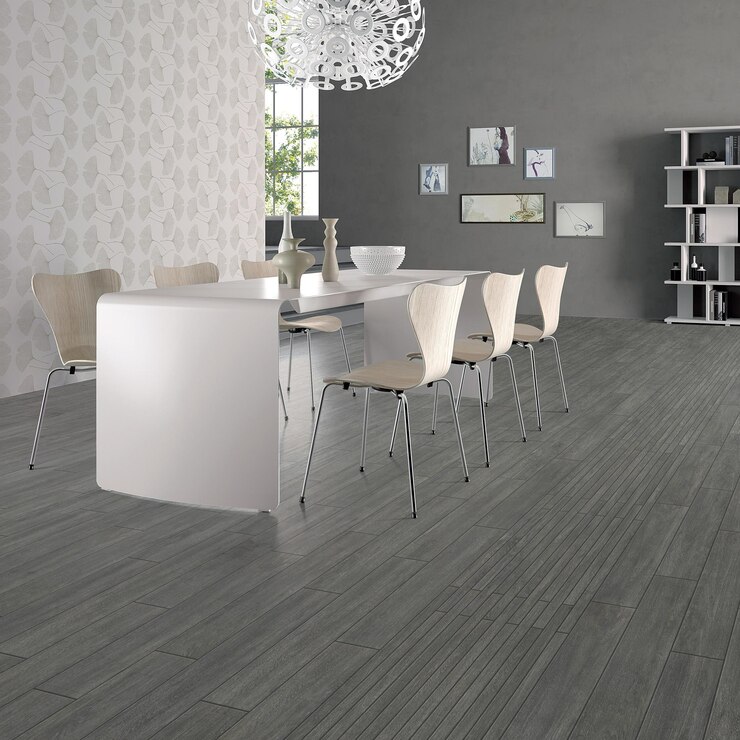
Many homeowners and business owners face ongoing frustration with traditional finishing materials that begin to look outdated within a few years or require constant maintenance to preserve their appearance. Visible grout lines, cracked tiles, uneven surfaces, and materials that absorb stains or moisture often turn beautiful spaces into high-maintenance environments. As modern interior design continues to move toward simplicity, openness, and clean visual lines, people increasingly seek solutions that combine elegance with long-term practicality. This is where micro cement has become a preferred choice for contemporary interiors. At Fairbuild, the focus is on providing advanced finishing solutions that solve these common problems while enhancing the overall character of a space. For expert guidance or project consultation, you can directly connect with the team at +97150 844 4013, allowing clients to easily explore how micro cement can transform their interiors into seamless, modern environments that are both stylish and functional.
What Is Micro Cement?
Micro cement is a highly versatile decorative coating made from a blend of cement, water-based resins, additives, and mineral pigments that work together to create a strong yet visually refined surface. Unlike traditional cement applications that require thick layers and structural adjustments, micro cement is applied in very thin coats, typically only a few millimeters thick. This allows it to be installed over existing materials such as tiles, concrete, marble, or plaster without the need for demolition, making it an efficient solution for renovations and modern upgrades. The result is a continuous surface that feels natural, modern, and sophisticated while maintaining the strength needed for everyday use. Its adaptability also allows designers to achieve different textures, from smooth and polished finishes to more natural, industrial appearances depending on the desired aesthetic.
Why Micro Cement Is Popular in Modern Interior Design
The growing popularity of micro cement is closely linked to changing design preferences and lifestyles. Modern interiors prioritize openness, minimalism, and visual continuity, and micro cement supports these elements by eliminating unnecessary lines and breaks between surfaces. This seamless appearance helps spaces feel larger, calmer, and more cohesive, which is particularly valuable in contemporary homes and commercial environments. Designers appreciate the material’s ability to adapt to various styles, whether modern luxury, industrial, or minimalist themes, while maintaining a timeless look. In addition, micro cement allows creative freedom by offering a wide range of color tones and finishes, enabling personalized designs without sacrificing durability or performance.
Key Benefits of Micro Cement for Homes and Commercial Spaces
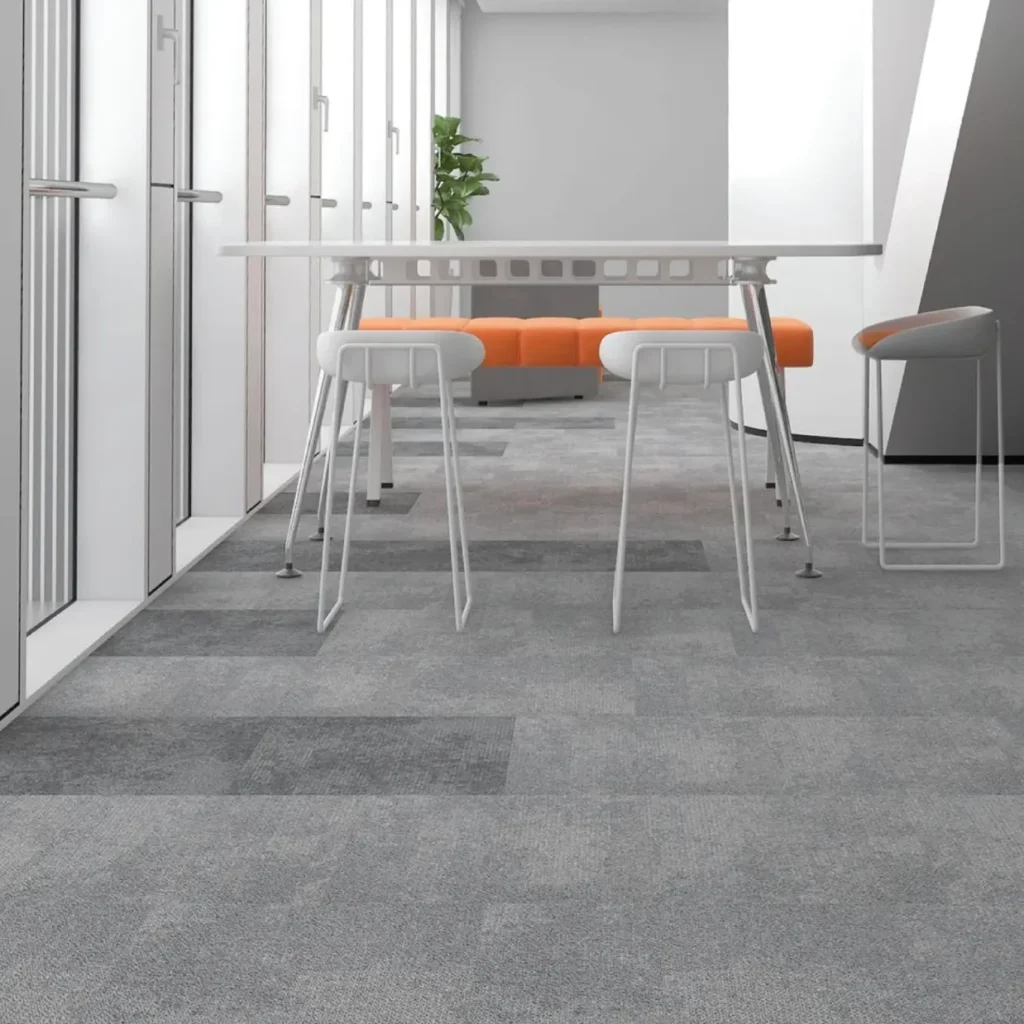
Micro cement offers a unique combination of strength, flexibility, and aesthetic appeal that makes it suitable for a wide range of applications. Its resistance to moisture and wear makes it ideal for areas exposed to frequent use, such as kitchens, bathrooms, and living areas, while its seamless nature reduces the accumulation of dust and dirt. This makes maintenance easier compared to traditional materials that require regular deep cleaning. In commercial settings such as retail stores, offices, or hospitality environments, micro cement provides a professional and modern appearance while withstanding heavy foot traffic. Another advantage is its ability to maintain consistent color and texture across large areas, creating a visually unified environment that enhances the overall design experience.
Where Can Micro Cement Be Applied?
One of the strongest advantages of micro cement is its flexibility in application. It can be used across floors, walls, ceilings, bathrooms, kitchens, staircases, and even custom furniture elements, allowing designers to maintain continuity throughout an entire property. In bathrooms, micro cement creates waterproof and joint-free surfaces that enhance hygiene and simplify cleaning. In kitchens, it offers a durable yet stylish alternative to traditional tiles or stone finishes. Its ability to cover vertical and horizontal surfaces alike allows homeowners and designers to experiment with creative concepts while maintaining a consistent design language across different areas of a space. This adaptability makes micro cement suitable for both residential and commercial projects where visual harmony is essential.
Micro Cement vs Traditional Finishing Materials
When compared to conventional materials such as ceramic tiles, marble, or wood, micro cement offers a modern approach that addresses many common limitations. Traditional materials often require extensive preparation, cutting, and installation, leading to longer project timelines and increased costs. They also include joints and seams that can become weak points over time. Micro cement, by contrast, forms a continuous layer that enhances durability while providing a clean and contemporary appearance. It also reduces renovation waste since existing surfaces can remain in place, making it a more efficient and environmentally conscious option. While natural materials still hold aesthetic value, many designers now choose micro cement for projects where simplicity, efficiency, and modern appeal are priorities.
The Installation Process of Micro Cement
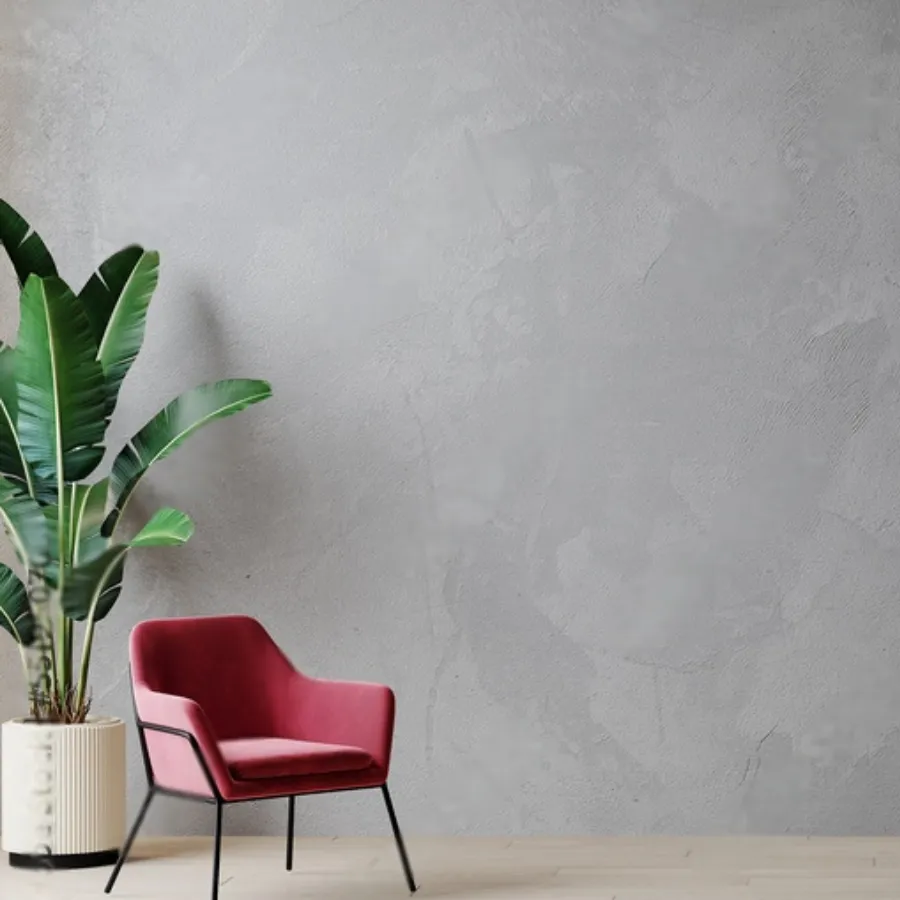
The installation of micro cement is a detailed process that requires precision and expertise to achieve the desired result. The surface must first be properly prepared to ensure adhesion and stability, followed by the application of multiple thin layers that gradually build texture and strength. Each layer is carefully sanded and sealed to create a durable, water-resistant finish capable of handling daily use. Because the final appearance depends heavily on craftsmanship, professional installation plays a crucial role in ensuring consistency and longevity. Fairbuild’s experienced team focuses on careful execution at every stage, ensuring that the final surface not only looks flawless but also performs reliably over time.
Maintenance and Longevity of Micro Cement Surfaces
Maintenance is often a major concern when selecting finishing materials, and micro cement provides a practical solution for modern lifestyles. The sealed surface resists stains, moisture, and everyday wear, making routine cleaning simple and efficient. Unlike materials that may loosen, chip, or require frequent repairs, properly installed micro cement maintains its appearance and structural integrity for many years. Occasional resealing, depending on usage, helps preserve its finish and ensures long-term durability. This combination of low maintenance and long lifespan makes micro cement particularly appealing for homeowners and businesses seeking both beauty and practicality.
Why Choose Fairbuild for Micro Cement Solutions
Selecting the right professionals is essential to achieving the full benefits of micro cement. Fairbuild combines technical expertise with a strong understanding of contemporary interior trends, ensuring that every project reflects both functionality and refined design. By using premium materials and proven application techniques, Fairbuild delivers surfaces that meet high standards of durability and aesthetics. Their approach focuses on understanding client needs, recommending suitable finishes, and executing projects with attention to detail, resulting in spaces that feel modern, elegant, and built to last.
Conclusion
As interior design continues to evolve toward cleaner, more functional, and visually unified environments, micro cement has positioned itself as a solution that successfully bridges style and performance. It resolves many of the limitations associated with traditional materials while offering a sophisticated and timeless finish that complements modern living. For those looking to upgrade their interiors with a seamless, durable, and contemporary surface, micro cement provides a reliable and aesthetically pleasing option, making it one of the most sought-after materials in modern interior design today.
Frequently Asked Questions (FAQs)
What is micro cement and how is it different from traditional cement?
Micro cement is a decorative coating made from cement, resins, and additives that is applied in very thin layers to create a seamless finish. Unlike traditional cement, it does not require thick application or structural changes and can be applied directly over existing surfaces, making it ideal for modern renovations and interior upgrades.
Is micro cement suitable for bathrooms and wet areas?
Yes, micro cement is highly suitable for bathrooms, kitchens, and other wet areas when properly sealed. Its seamless surface prevents water penetration and reduces the risk of mold or dirt accumulation, making it both hygienic and easy to maintain in moisture-prone environments.
Can micro cement be applied over existing tiles?
One of the main advantages of micro cement is that it can be applied over existing tiles, concrete, or plaster without removing the original surface. This reduces renovation time, minimizes dust and waste, and makes the process more cost-effective compared to traditional remodeling methods.
How durable is micro cement for floors and high-traffic areas?
Micro cement is known for its durability and resistance to wear when professionally installed and sealed. It performs well in high-traffic areas such as living rooms, commercial spaces, and offices, maintaining its appearance for many years with proper care.
Does micro cement crack over time?
When applied correctly by experienced professionals, micro cement is flexible enough to adapt to minor structural movements, reducing the chances of cracking. Proper surface preparation and sealing are key factors in ensuring long-term performance.
How do you maintain and clean micro cement surfaces?
Micro cement surfaces are easy to maintain and usually require only regular cleaning with mild, non-abrasive products. The sealed finish helps resist stains and moisture, making everyday maintenance simple compared to traditional materials with joints or grout lines.
Is micro cement a good choice for modern interior design?
Micro cement is widely used in modern interior design because of its seamless appearance, minimalist aesthetic, and versatility. It allows designers to create continuous surfaces that enhance space, improve visual flow, and provide a contemporary look while maintaining durability and functionality.