When it comes to choosing flooring for your home or business, durability is often a top priority. Many flooring options promise to be tough, but the truth is, they don’t always live up to expectations—especially in high-traffic areas or spaces that experience heavy wear and tear. Whether it’s scratches, stains, or general degradation, traditional flooring types like hardwood, tile, or vinyl may not withstand the test of time as effectively as you’d like. That’s where epoxy floor coating comes in. Epoxy offers unmatched strength and longevity, making it a preferred choice for both residential and commercial spaces. If you’re considering epoxy flooring, or simply want to know more about its benefits, feel free to reach out to us at +97150 844 4013 for a consultation.
What Is Epoxy Floor Coating?
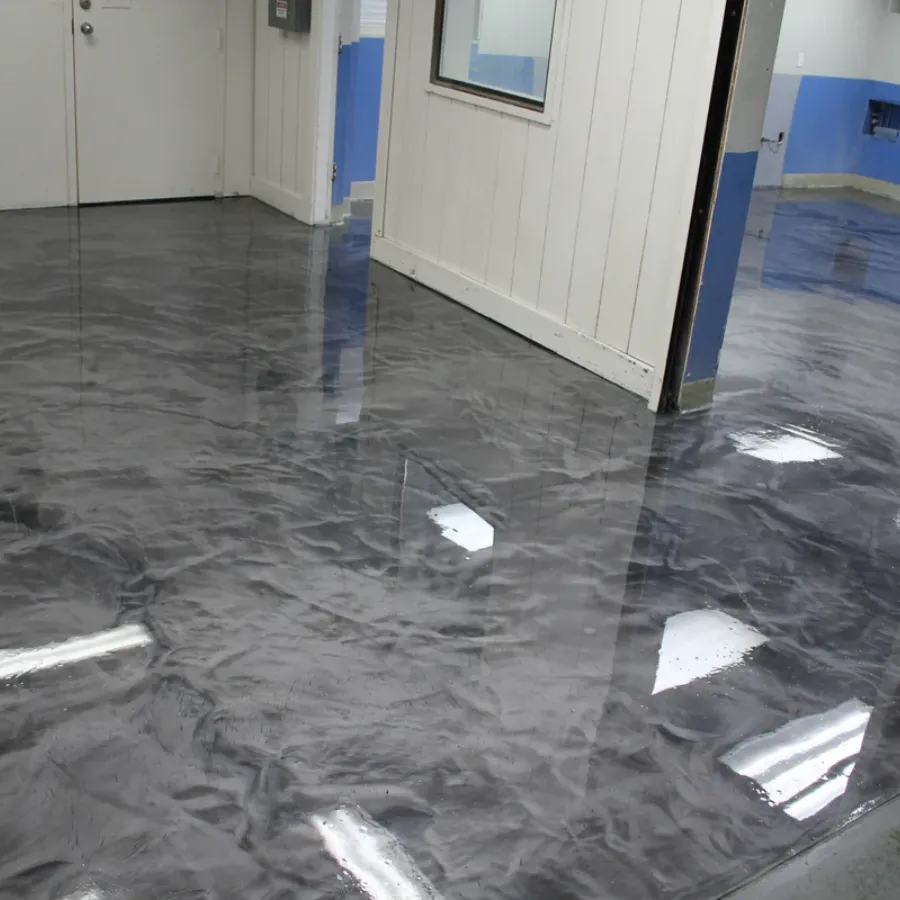
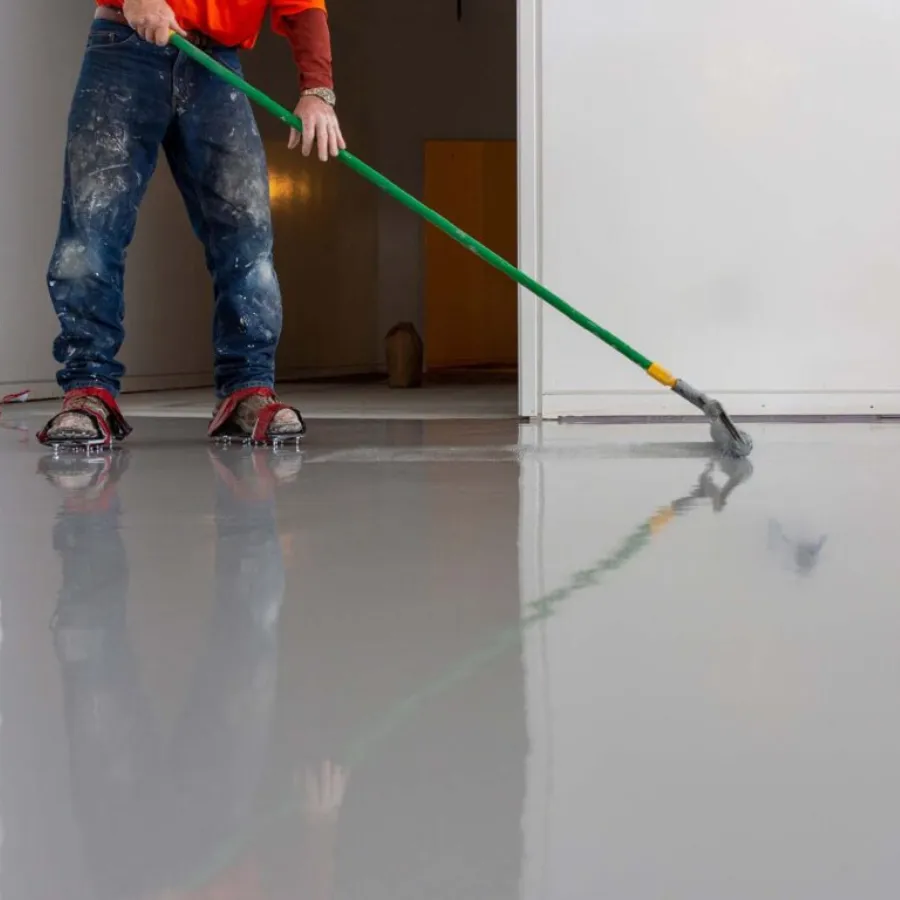
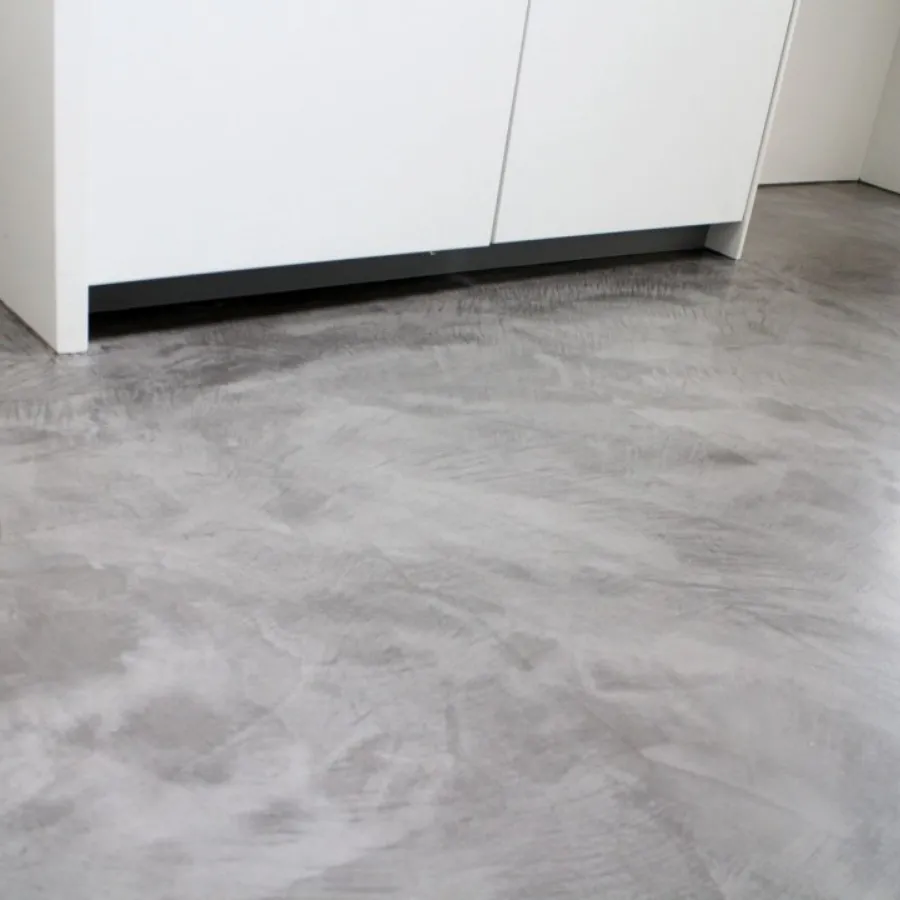
Epoxy floor coating is a highly durable, resin-based material applied over concrete floors to create a seamless, glossy surface that is tough, long-lasting, and resistant to damage. It is made by mixing two key components: resin and hardener. When combined, they chemically react to form a solid plastic surface that adheres strongly to concrete, providing exceptional protection and durability. The coating comes in different types, including self-leveling epoxy, which is perfect for uneven floors, and mortar epoxy, known for its strength in areas that require extra protection.
At Fairbuild, we offer a variety of high-quality epoxy floor coatings that cater to different needs, whether it’s for a residential garage, a commercial kitchen, or an industrial warehouse. With epoxy flooring, you not only get a robust and lasting surface but also a visually appealing one that can withstand harsh conditions.
How Epoxy Floor Coating Stands Out in Durability
One of the standout reasons epoxy floor coating is considered more durable than other flooring options is its ability to resist a wide range of damaging factors that would quickly compromise traditional floors. For instance, epoxy coatings provide impressive chemical resistance, which makes them ideal for environments where spills, oils, and solvents are common. Unlike hardwood, which can stain or warp when exposed to liquids, or vinyl, which may discolor or degrade over time, epoxy floors remain unaffected by such elements. This makes them perfect for garages, laboratories, and industrial facilities where chemicals and oils are frequently present.
Another feature that sets epoxy apart is its scratch and impact resistance. Epoxy floors are incredibly hard and able to withstand impacts from heavy objects without chipping, denting, or cracking. This is especially important in areas with heavy machinery or constant foot traffic, such as factories, warehouses, or even busy kitchens. Epoxy floors also resist abrasions, so they maintain their sleek, glossy finish over time, making them far more reliable than softer materials like wood, tile, or carpet.
Furthermore, epoxy floors excel in handling heavy loads. Whether it’s the weight of a car in a garage or heavy equipment in a manufacturing facility, epoxy coatings can endure a significant amount of pressure without showing signs of wear. This capacity for load-bearing far surpasses that of many other flooring materials, including hardwood or vinyl, which may show signs of wear or damage under similar conditions.
Finally, one of the most appealing factors of epoxy floor coating is its long-lasting finish. A well-applied epoxy coating can last up to 20 years, depending on the level of traffic and care it receives. Unlike tile, which may require grout cleaning and maintenance, or hardwood floors that need refinishing, epoxy floors are incredibly low-maintenance, saving you both time and money over the long term.
How Does Epoxy Floor Coating Compare to Other Flooring Options?
When comparing epoxy floor coating to other flooring types, its superior durability quickly becomes apparent. For example, epoxy vs. hardwood: Hardwood floors, while beautiful and natural, are far more vulnerable to scratching, denting, and moisture damage. Spills, like coffee or wine, can stain hardwood floors and cause irreversible damage. In contrast, epoxy floors are virtually immune to water, stains, and wear, making them a far more durable option, especially in high-traffic areas.
Next, consider epoxy vs. vinyl flooring: Vinyl is often touted for its affordability and water resistance. However, it doesn’t hold up as well under heavy impact or intense traffic. Over time, vinyl can become scratched or gouged, and it may start to lose its sheen. Epoxy, on the other hand, provides a seamless and highly durable surface that resists scratches, impacts, and stains, making it a superior choice for spaces that need both beauty and durability.
When it comes to epoxy vs. tile, the differences are clear as well. While tile can be a durable option for many spaces, it is prone to cracking or chipping under heavy impact. The grout lines between tiles also require regular maintenance and cleaning. Epoxy coatings, however, provide a smooth, uninterrupted surface, eliminating the need for grout and reducing the chances of cracks or chips. Plus, epoxy is more resistant to moisture and chemicals, which makes it an ideal solution for environments where these factors are a concern.
Ideal Applications for Epoxy Floor Coating
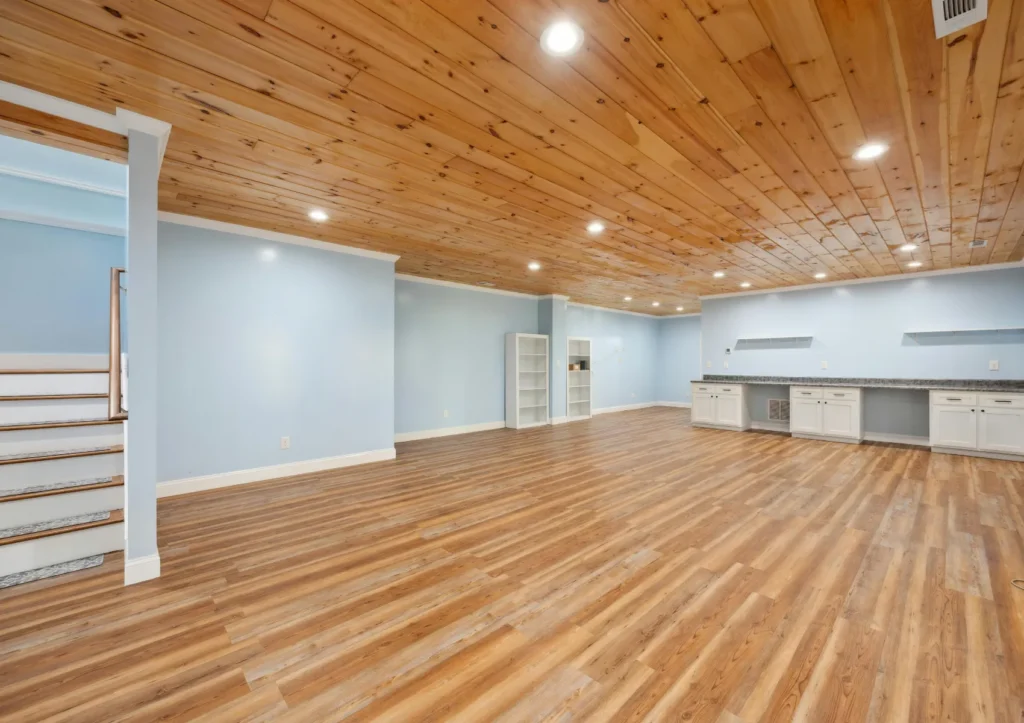
Epoxy floor coatings are incredibly versatile, making them suitable for a wide variety of applications, both in residential and commercial spaces. In residential settings, epoxy is increasingly popular for garages, where its durability and ease of maintenance are key benefits. It not only provides a tough, long-lasting surface that can handle the weight of vehicles, but it also adds a clean, polished look to the space. Basements and even kitchens can benefit from the waterproof properties of epoxy flooring, ensuring protection against water damage while adding an aesthetic touch that enhances the overall décor.
For commercial spaces, epoxy is widely used in places like warehouses and factories, where heavy machinery and high foot traffic can wear down other types of flooring. It’s also commonly seen in hospitals, laboratories, and restaurants, where hygiene and cleanliness are crucial, as epoxy floors are non-porous and easy to sanitize. The seamless design of epoxy also ensures that there are no grout lines or cracks that could harbor bacteria or dirt.
How to Maintain Epoxy Flooring for Longevity
One of the many reasons homeowners and business owners love epoxy floors is their easy maintenance. Keeping your epoxy floor looking like new requires minimal effort. Regular sweeping and mopping are usually sufficient to keep the surface clean and free of dirt. For tougher stains, a mild detergent or epoxy-specific cleaner can do the job without causing any damage to the floor’s finish. Because epoxy doesn’t require waxing or sealing, like hardwood or tile, it remains low-maintenance throughout its lifespan.
For preventative care, placing mats or rugs in high-traffic areas will help reduce dirt and grit from scratching the surface. Additionally, avoiding harsh chemicals or abrasive cleaning tools will preserve the integrity of the coating. Routine checks for cracks or damage can also ensure that your epoxy floor continues to perform well for many years.
Conclusion
In conclusion, when it comes to flooring options, epoxy floor coating stands out as a top choice for durability and longevity. Its resistance to chemicals, scratches, impacts, and heavy loads makes it ideal for both residential and commercial spaces that need a tough, low-maintenance solution. Whether you’re outfitting a garage, a warehouse, or a busy commercial kitchen, epoxy offers a seamless, lasting finish that can handle even the toughest conditions. At Fairbuild, we offer premium epoxy floor coatings that will not only enhance the look of your space but provide the strength and resilience you need. If you’re ready to upgrade your floors, give us a call today at +97150 844 4013 and let us help you choose the perfect solution for your home or business.
Frequently Asked Questions (FAQs)
What is epoxy floor coating made of?
Epoxy floor coating is made from a combination of two primary components: resin and hardener. When these two are mixed together, they chemically react to form a solid, durable plastic surface. This creates a strong, long-lasting floor that is resistant to wear and tear, chemicals, and impact.
How long does epoxy floor coating last?
With proper installation and maintenance, epoxy floor coating can last anywhere from 10 to 20 years or more. Its durability depends on factors like the quality of the product, the level of traffic in the area, and how well the floor is cared for. Epoxy coatings are known for their longevity and resistance to damage.
Is epoxy flooring suitable for residential spaces?
Yes, epoxy flooring is ideal for many residential areas, especially garages, basements, and kitchens. Its durability, ease of maintenance, and resistance to stains and moisture make it a practical choice for these areas. Additionally, epoxy flooring is available in a variety of colors and finishes, allowing you to customize your space.
Can I install epoxy floor coating over existing floors?
Yes, epoxy can often be applied directly over existing concrete floors, provided they are clean, smooth, and in good condition. It’s important to ensure that the surface is properly prepared before application to guarantee the best adhesion. If you have a different type of flooring, it may need to be removed first.
How do I maintain my epoxy floor coating?
Maintaining epoxy floors is relatively simple. Regular sweeping or vacuuming to remove dirt and debris, along with occasional mopping using a mild detergent or epoxy-specific cleaner, is usually enough to keep the floor looking good. Avoid using abrasive cleaners or harsh chemicals, and make sure to address any stains promptly to prevent them from becoming permanent.